
2024-10-08 Nuove proprietà di entità esistenti
La Novitade
Section titled “La Novitade”- Software per controllare che i risultati dei merge delle br siano ok
HERITRACE
Section titled “HERITRACE”-
Logica per creare nuovi predicati di entità esistenti (identica a quella per entità nuove)
- Validazione backend identica a quella per la modifica
- Validazione frontend indentica a quella per la creazione
-
Modificare l’ordine cancella tutto le entità e le ricrea nell’ordine corretto. Anche aggiungere un nuovo elemento alla lista degli elementi ordinati ha lo stesso effetto.
-
è anche possibile aggiungere e riordinare contemporaneamente. Logica lato server identica, usiamo un id temporaneo che viene mappato a quello mintato
-
Problema con l’inversione. Le entità collegate cancellate (gli ar) non vengono ricreati, viene ricreato soltanto il collegamento tra la br e le ar
-
-
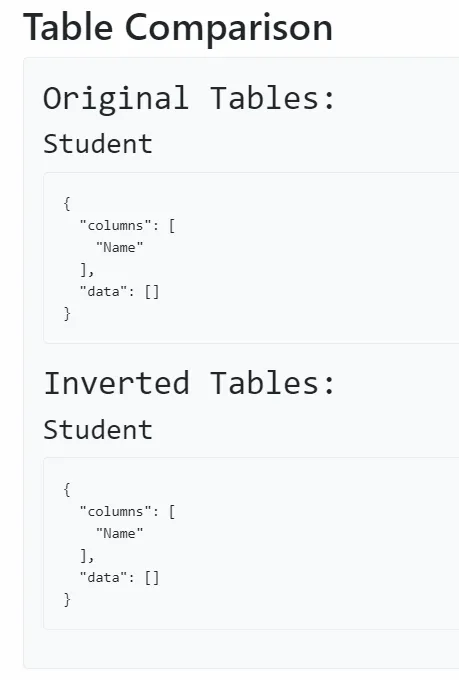
Se il DataFrame è vuoto, crea solo la tabella senza inserire dati: null ≠ []
-
La query di inversione ricava informazioni sul datatype
-
Gli oggetti per riferimenti perdevano l’informazione sul datatype, perchè accadeva questo
-
{% raw %} # Before lines.append(f”OPTIONAL{{?{subject_reference} {predicate} ?{plain_object_reference}.”) lines.append(f”OPTIONAL{{BIND(ENCODE_FOR_URI(STR(?{plain_object_reference})) as ?{object_reference}_encoded)}}”) lines.append(f”FILTER(!BOUND(?{object_reference}_encoded) || !BOUND(?{plain_object_reference}) || ENCODE_FOR_URI(STR(?{plain_object_reference})) = ?{object_reference}_encoded)”)
# After lines.append(f"OPTIONAL{{?{subject_reference} {predicate} ?{plain_object_reference}. \ BIND(DATATYPE(?{plain_object_reference}) AS ?{object_reference}_datatype)}}"){% endraw %} ```
- Gestione blank node in subject template
- Gestire i blank node generati tramite template potrebbe non avere senso, in quanto i blank sono per definizione nodi anonimi, e recuperare all’indietro un valore da un qualcosa di anonimo non ha senso. Oltre al fatto che rdflib di default anonimizza i blank node, non preserva i loro nomi originali. Ho dovuto creare un parser custom per preservare il nome originale. In ogni caso, si perde l’informazione sul datatype.
- We need to extract the variables used in its template (e.g.,
IDin"students{ID}") to retrieve the necessary data- We bind the blank node subject to a variable (e.g.,
?1), but since we cannot use its value directly, we use it as a starting point to extract the variables - Extract variables from the template
- We parse the template and generate SPARQL query parts that extract the variables used in the template.
- We handle each variable in the template by splitting the template into parts before and after the variable, and using
STRAFTERandSTRBEFOREfunctions to extract the variable’s value from the blank node identifier.
- We bind the blank node subject to a variable (e.g.,
- Esempio
_:students10 [http://xmlns.com/foaf/0.1/name](http://xmlns.com/foaf/0.1/name) "Venus" . SELECT ?Name ?ID_encoded ?ID_datatype WHERE { ?subject <[http://xmlns.com/foaf/0.1/name](http://xmlns.com/foaf/0.1/name)> ?Name . BIND(STRAFTER(STR(?subject), 'students') as ?ID_encoded) }- Gestione inversioni che non ritornano risultato per eccezioni
- https://www.overleaf.com/6777119729fdrvvtkydprp#7caa2a
Domande
Section titled “Domande”- Perchè Tijs si è preoccupato di fare ENCODE_FOR_URI per gli oggetti?
- è permesso dato un sbirciatina ai dati di partenza?
- I still don’t known what to do with views